How to Read a Nutrition Label Like a Pro
This marks the commencement of your journey. Understanding how to intercept food labels and appropriate actions to take while shopping.
Eating right and Exercising is critical to living longer because it directly combats chronic diseases, reduces inflammation, and repairs cellular damage, with studies showing that optimal diets—rich in fruits, vegetables, and whole grains—can add over 10 years to life expectancy. A healthy diet prevents obesity, lowers blood pressure, and reduces risks of heart disease and type 2 diabetes.
As always live long stay strong
In these Articles, I share inspiration, tips, and stories that help you get the most out daily workout Whether you're looking for helpful tips, background information, or a behind-the-scenes look you'll find it all here. I regularly post new articles, so keep an eye on the blog for updates and new insights.

Jul 11, 2026 2:54 PM
This marks the commencement of your journey. Understanding how to intercept food labels and appropriate actions to take while shopping.
Jul 1, 2026 4:17 PM
Having fun with breakfast is a great approach to nutrition. It is absolutely not necessary to eat breakfast every day or to limit yourself to traditional "breakfast foods." While often labeled "the most important meal," skipping it, particularly for those not hungry in the morning, can have benefits for some people.
Jul 1, 2026 4:17 PM
Calisthenics, and Isometrics are distinct bodyweight training programs.
Jul 1, 2026 4:17 PM
This is where your journey begins. Get to know your body. You are capable of so much more than you think. Your body is incredibly resilient. It wants to be strong. It wants to be healthy. You just Trust the process and believe in yourself.

It all began with a simple idea fueled by a deep passion. As a small business, we pride ourselves on personal attention and dedication to every detail. Our approach is rooted in quality and integrity, ensuring that everything we do reflects our commitment to excellence.
As always, live long, stay strong

Jul 1, 2026 5:48 PM
Jul 1, 2026 5:47 PM
Why strong women don't wait for permission they just start.
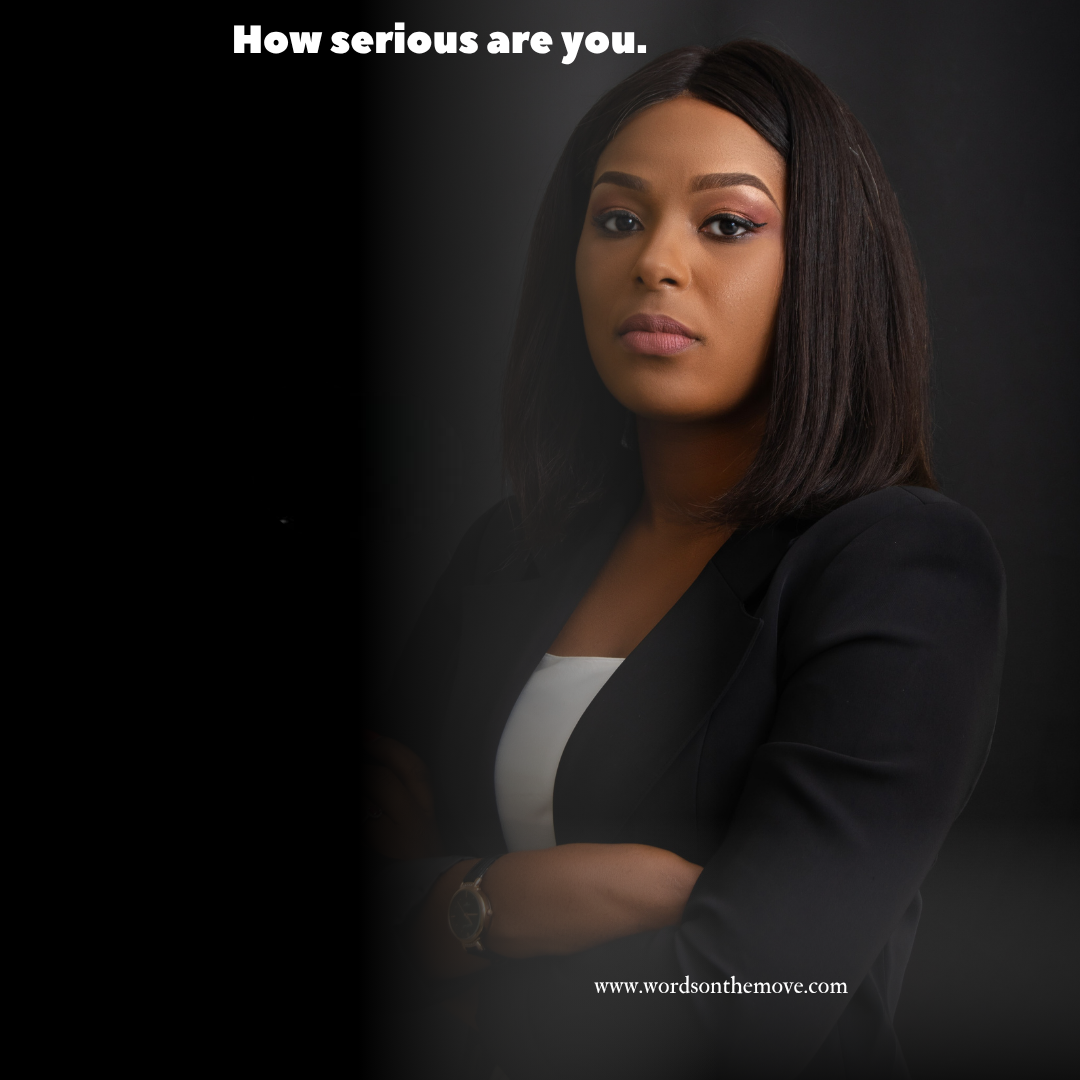
Unlock the secrets to launching a successful business with my comprehensive entrepreneurship guides. From idea development to execution, learn how to turn your vision into a profitable venture. Start strong and learn from leading entrepreneurs at entrepreneur.com.
Discover online courses designed to help you take the first step toward a fresh beginning. It’s time to become your own CEO and build a business that can transform your life. Explore the courses at entrepreneurstore.com.

You may know Some of this, but what you don't will surprise you Here are 12 titles celebrating Black success, featuring a mix of groundbreaking historical pioneers and contemporary leaders who are making history today.
Title / Area of Success Individual Achievement / Role
8. Kamala Harris First Black & South Asian woman Vice President 2020
9. Arts & Culture Virgil Abloh First Black artistic director at Louis Vuitton (2021)
10. Politics & Law Ketanji Brown Jackson First Black Female Supreme
(Court of Justice 2022)
In 1968 Chisholm ran for the U.S. House of Representatives, adopting the slogan “Fighting Shirley Chisholm—Unbought and Unbossed.” She traveled throughout New York’s 12th Congressional District, speaking directly to voters, especially women. In the general election, Chisholm defeated the heavily favored James Farmer, a civil rights leader.
After taking office in 1969, Chisholm quickly became known as a strong liberal who opposed weapons development and the war in Vietnam and favored full-employment proposals. She also was noted for her public criticism of Washington, especially the politicians who refused to represent the needs of voters. As a candidate for the Democratic nomination for U.S. president in 1972, she won 152 delegates before withdrawing from the race.
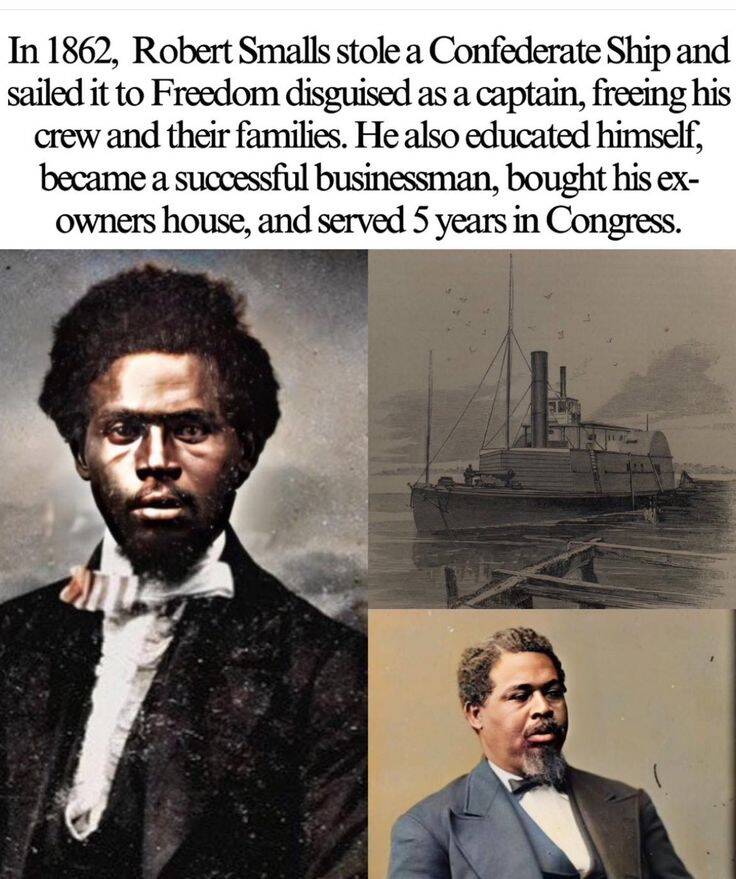
From slavery to Congress. From struggle to strength. Your dreams the next chapter Never end it. Great Black men who became Representatives in Congress.



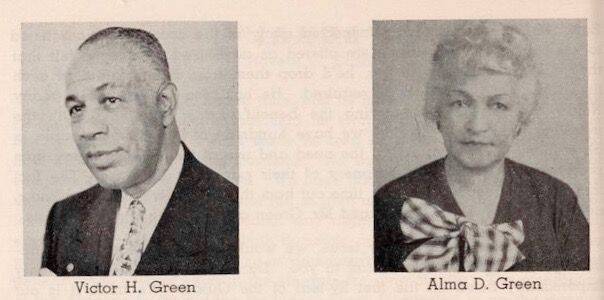
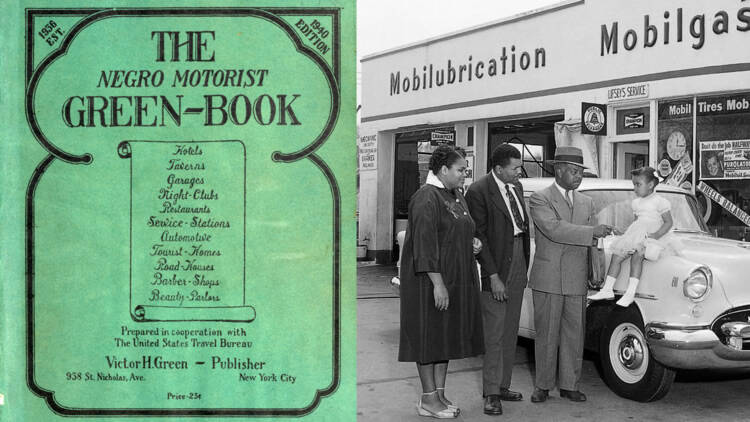
We're excited to launch our new initiative! Meet Victor Green and his wife, Alma. For nearly thirty years, the Negro Motorist Green Book helped African Americans find safe places to eat and stay while traveling during the Jim Crow era.
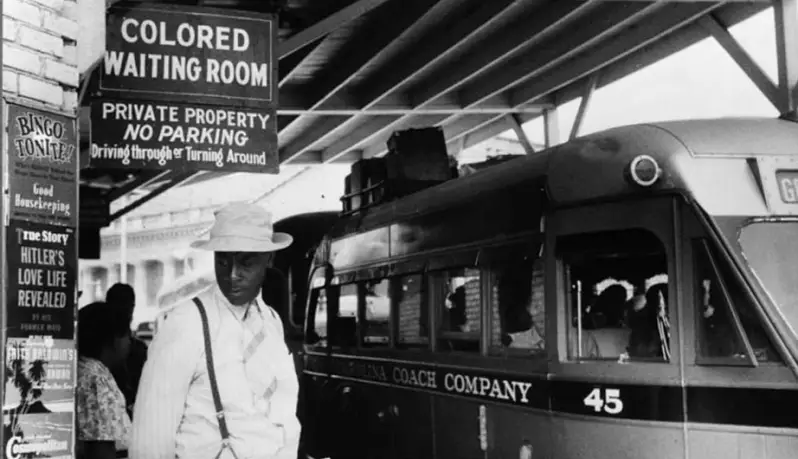
Born November 9, 1892, in Manhattan, New York, Victor Hugo Green—named after a French author of the same name. He was the eldest of three, and his family would move to Hackensack, New Jersey where he and his siblings would grow up. By 1913, he would begin labored as a postal carrier in Bergen County, New Jersey. Infamous for developing and writing what became known as The Green Book—a travel guide for Black people in the United States—during a period of mass racial segregation, hostility, and lynching. The period, known as Jim Crow Apartheid, culturally and politically disallowed Black people from participating in many aspects of civil society, including hotels, restaurants, gas stations, etc. The Negro Motorist Green Book and later The Negro Travelers' Green Book were continually updated and republished from 1936 to 1966. Alma Duke was born in the Jim Crow south of Richmond, Virginia in 1889. At just 18, she worked as a dressmaker and became a part of the Great Migration, a period where approximately six million Black Americans moved from southern states to northern states. During which Alma would live in and through some of the most culturally and historically important regions and events of late-19th and early-20th century African American history. While traveling, she was exposed to the horrors of racial exploitation and violence Black people experienced while on the road. Duke would move to New York in 1915, and then New Jersey shortly after, where she would involve herself in the local Black community in Hackensack, New Jersey—where Victor also lived at the time. A few years later (1918), the two would get married, Alma Duke would become Alma Green, and one year later Victor would be drafted for World War I. After returning from the war, the couple moved back to New Jersey, then to Harlem, New York in 1929. The Harlem move is where the idea for the Green Book would be born. Alma—alongside the predominantly female staff—served as an editor throughout The Green Book’s existence—but was only credited for her work on the publication in 1959. The Green Book mass-reviewed hotels, restaurants, service stations, and other businesses that served Black travelers. and printed 15,000 copies a year where he documented their treatment and tolerance of Black people as a means of protecting them from anti-Black abuses and run ins. The work began in the early 1930s, where they would compile data on stores, lodges, gas stations, etc., and their treatment of Black people specifically in New York City. The first guide was published in 1936 and became so popular that they immediately expanded the coverage to other regions in the US, as well. Even after retiring from the Postal Service, Green continued updating and expanding the coverage of the Green Book, leading to the development of a travel agency business in 1947. The development of the Green Book helped Black people navigate both America’s landscape and deeply understand its structural racism. The book which shed light on the “white-only” establishments like hotels, restaurants, and gas stations, and even exposed entire towns where Black people were told in explicit terms to leave before sundown, helped Black travelers travel the United States in relative safety and comfort. After her husband’s death in 1960, Alma maintained their legacy and continued editing and publishing until 1962. “The Green Book ceased” to be published in 1966 after the passing of the Civil Rights Act of 1964. The inaugural publication stated that “There will be a day sometime in the near future when this guide will not have to be published. That is when we as a race will have equal rights and privileges in the United States. It will be a great day for us to suspend this publication for then we can go wherever we please, and without embarrassment. But until that time comes, we shall continue to publish this information for your convenience each year.” Alma Green would pass away in 1978.
The most documented and poignant of Victor Hugo's last communications is a note he wrote just two days before his death from pneumonia on May 22, 1885. Found in his personal journal, these final written words were the simple but profound statement: "To love is to act."
This wasn't just a sentimental thought; it was the culmination of a life spent as a fierce human rights activist. Hugo spent his career championing the causes he wrote about, calling for free education for all children and an end to poverty. This final note perfectly encapsulates his core belief that true compassion for humanity must be paired with real, tangible action




Black inventors have created essential, everyday technologies, including the three-signal traffic light (Garrett Morgan), modern refrigeration (Frederick McKinley Jones), and home security systems (Marie Van Brittan Brown). Their contributions span agricultural science, safety devices, and home appliances, often overcoming significant systemic discrimination to secure patents. ThriftBooks.com
Key Historical Black Inventors and Inventions
Everyday Inventions by Black Inventors
Many, such as Garrett Morgan, began as repair professionals who developed solutions to safety problems. Others, like George Washington Carver, focused on agricultural sustainability and innovation.
The 21st century is being shaped by brilliant Black women innovators whose work makes your daily life safer, more connected, and more efficient. Here are 12 important inventors of the new millennium and the impactful technologies they developed.
Gwen Jimmere Consumer Goods First Black woman to patent a natural hair care product Her patented formula cut "wash day" from hours to under one-hour, empowering Black women to own their beauty
Janet Emerson Bashan Tech & Business First software patent by a Black woman (2006) Her web-based platform, Link Line, revolutionized how companies manage equal employment opportunity (EEO) cases
Lisa Gelobter: A computer scientist, she was part of the team that created the animation technology that became the GIF (Graphics Interchange Format). In 2016, she also founded the company Equitable, which uses a platform to help employees anonymously discuss workplace issues like bias, making companies more equitable.
Angel Rich: A passionate advocate for financial literacy, she created award-winning games, including Credit Stacker, which was named the "best financial literacy product in the world" by the Obama Administration. She also launched Credit Rich, an AI-powered app that helps users improve their credit scores
Marian Croak: As a leading engineer at Google, she holds over 200 patents. Her foundational work in developing Voice over Internet Protocol (VoIP) technology is what powers the internet-based calls you make every day on platforms like Zoom, Google Meet, and Skype. She was inducted into the National Inventors Hall of Fame in 2022.
Dr. Shirley Ann Jackson: A renowned physicist, she conducted groundbreaking research at AT&T Bell Laboratories that laid the theoretical foundation for numerous communication technologies. Her work contributed to the development of fiber optic cables, caller ID, and call waiting, which are essential to how we use phones and the internet today.
Aisha Bowe: A former NASA aerospace engineer and a current entrepreneur, she co-founded STEM Board, a technology company that builds smart systems to solve complex challenges, particularly in aerospace and defense. Her work is pushing the boundaries of engineering and space technology.
Jessica Matthews: As a Nigerian American inventor, she created the Socket, an innovative soccer ball that captures and stores kinetic energy while being played. Just 30 minutes of play can power an LED lamp for up to three hours, providing a source of clean, off-grid energy.
Bridgette Renee Shannon: A research scientist at 3M with a Ph.D. in Chemistry, she has worked on developing advanced materials, including technologies used in catalytic converters to reduce toxic emissions and in industrial abrasives.
Tahira Reid Smith: An engineering professor, she is best known for inventing an automated double-Dutch jump rope machine, but her work extends into more critical areas like fluid dynamics and renewable energy.
Donna M. Auguste: While working at Apple Computer in the early 2000s, she led the product team that was awarded three patents for their work on the Apple Newton Personal Digital Assistant (PDA), a forerunner to today's smartphones.
Kimberly Bryant: An electrical engineer, she founded the non-profit organization Black Girls CODE in 2011. While not a traditional inventor, her impact and innovation are profound. The organization empowers young black women to become tech creators and leaders through workshops and programs in computer programming and entrepreneurship, directly building the next generation of inventors.
Remember this: "You don't have to be perfect. You just have to keep going. Learn from yesterday. Do better today. Improve tomorrow. Repeat."




Add comment
Comments